
Wattsbridge, Australia | 澳大利亚 (November 2005)
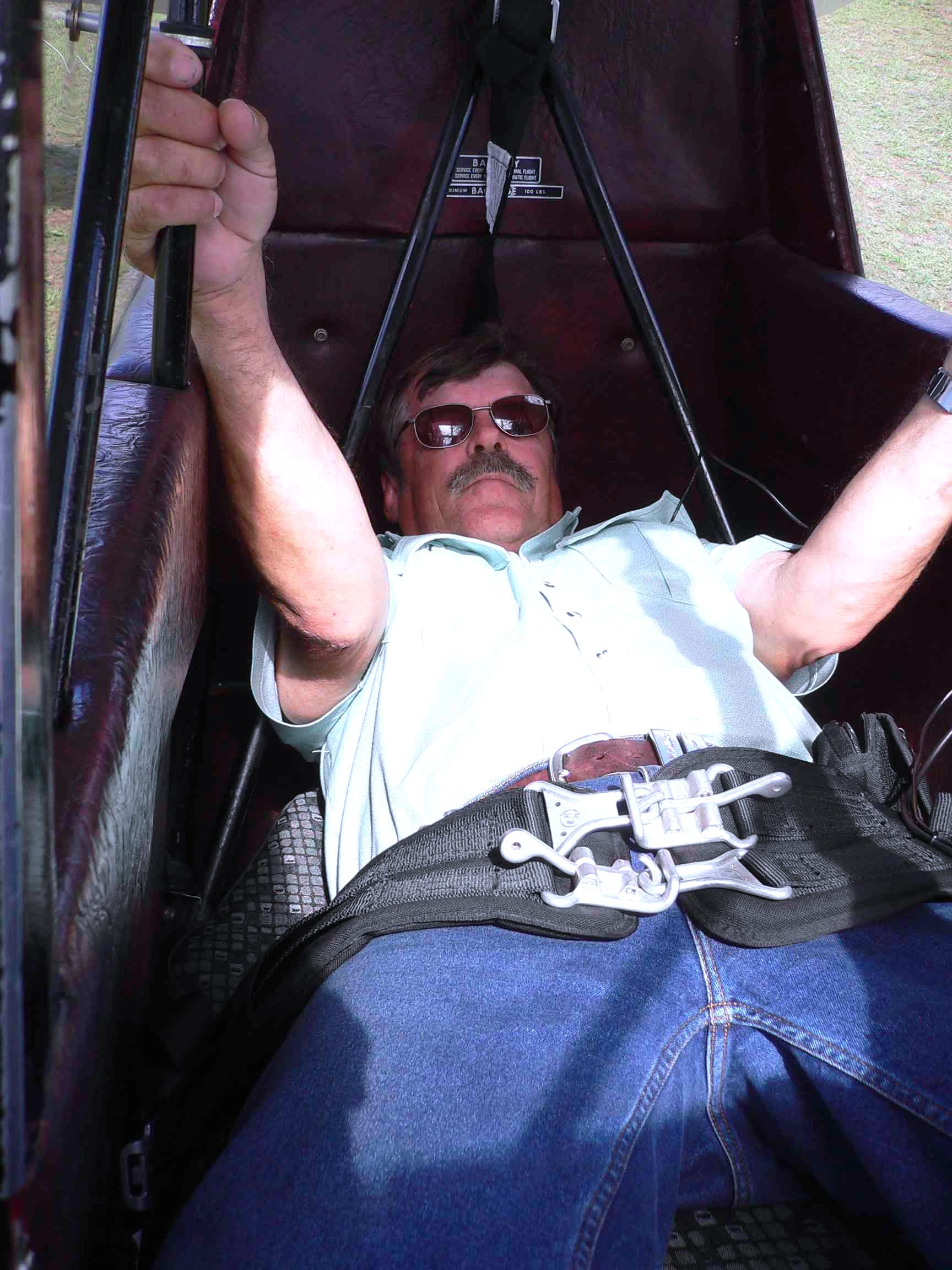
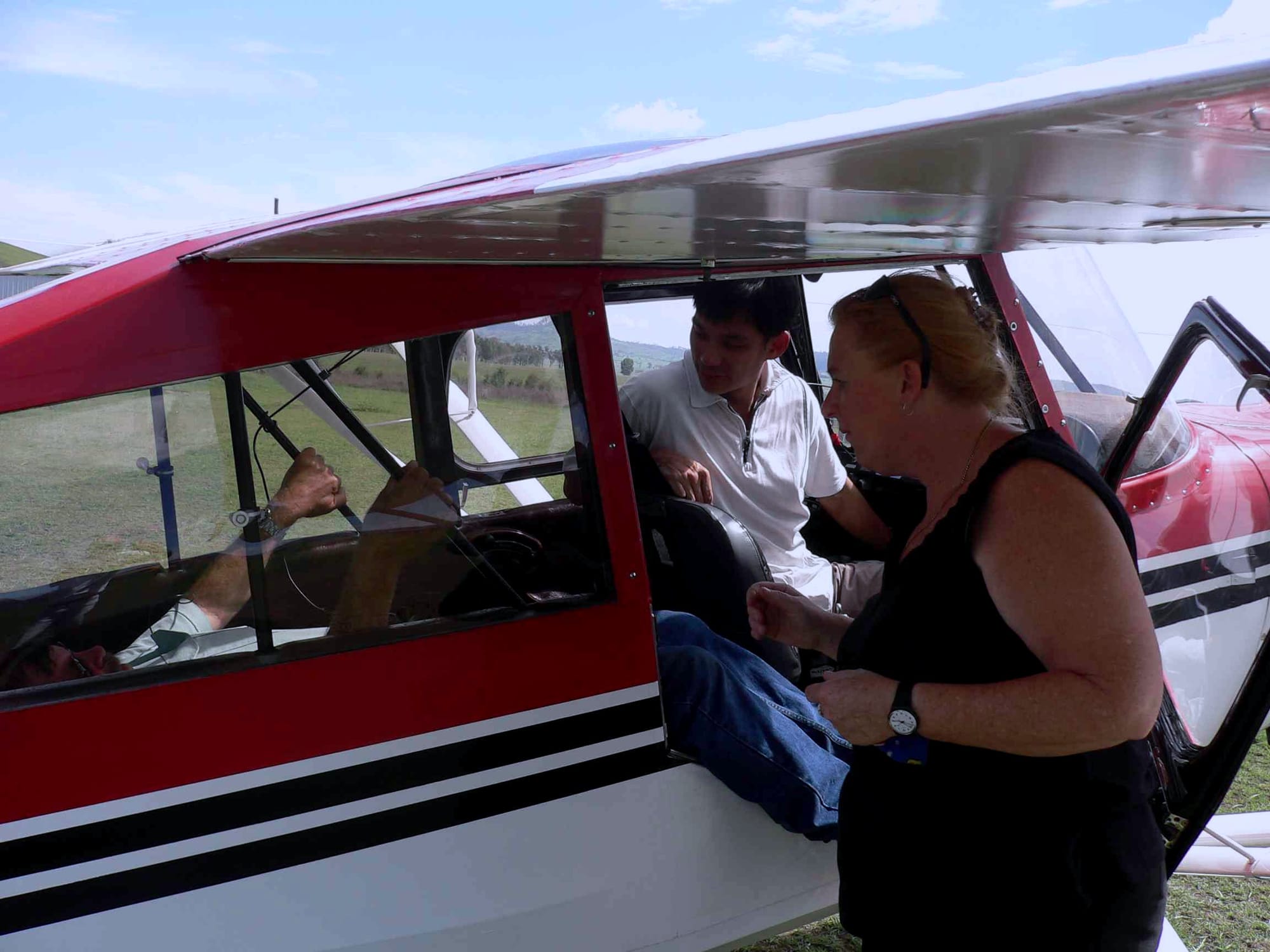
Known as “The Dance” or “Chicken Walk”, invented and coined by aerobatic champions in the 1980s, this seemingly child-like behavior was regularly repeated at intervals on the training grounds of a recent aerobatic camp organized by WOA aerobatic passionate from Singapore – Andi. Aerobatic pilots like Andi do “the dance” before they fly, a way of flying the sequence on the ground where the pilot creates a visual image of the flight and memorizes each maneuver. Some do so by walking, swooping, spinning or diving with the bodies, others may stand in one place and make all the flights with their hands or sit in the plane to go through the motions while holding on to controls, all in a bid to get as much practice as possible to remember the sequences. In the air, everything happens much faster in an intense sequence!
When they say flying is the combination of a science and an art form, it doesn’t come any closer to the truth than the pursuit of aerobatic sequences and performances by aviators who choose to perform “dances” in the sky through their progressively learned and constantly tuned knowledge of handling their machines and understanding of the laws of physics. In Asia, outside Australia, aerobatics flying (beyond the military air shows), is a rarity in public view except for a few private individuals who do so within confines of approved airspace in their respective countries. Hence, the opportunity to participate and experience a week of aerobatic training was probably one of those “firsts” in life that I will remember for some time to come.
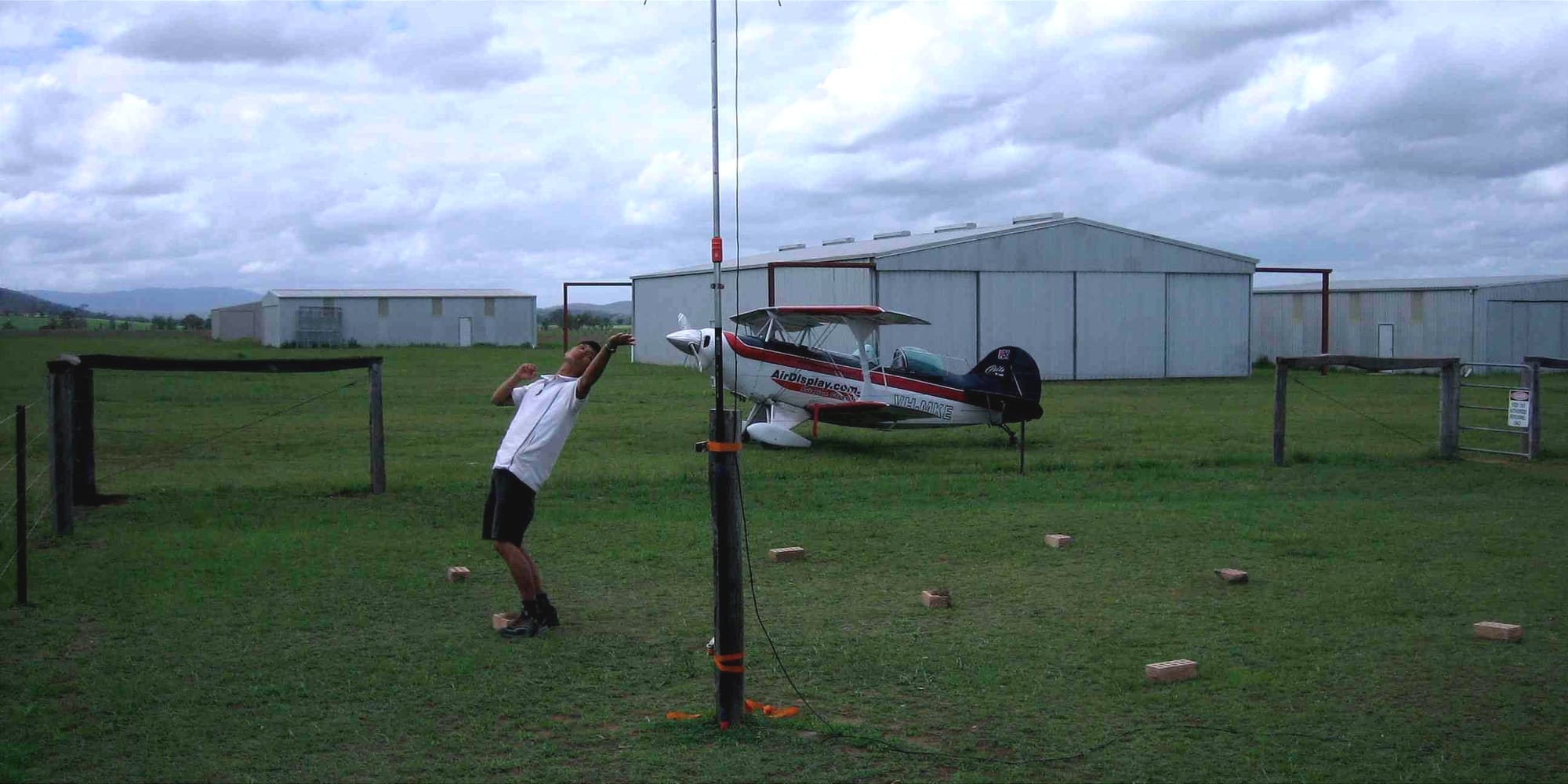
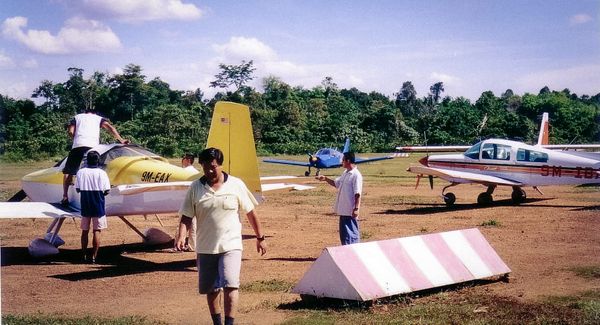
It felt like a boy’s scout camp – a group of WOA members from Singapore & Malaysia, a farmland on the outskirts of Brisbane amidst blue skies and rivers; with only each other for company except for the occasionally kangaroo sightings (we’re damn far from the sun-tanned babes by the gold coast!). The location is Wattsbridge airfield, the base of Queensland aerobatic club. A trio of WOA flyers gathered together informally, shutting themselves out from the perils of daily hustle and bustle to train with one of Australia’s finest aerobatic instructor on a week long aerobatic training camp where NON straight and level flights and unusual attitudes is the main-course!
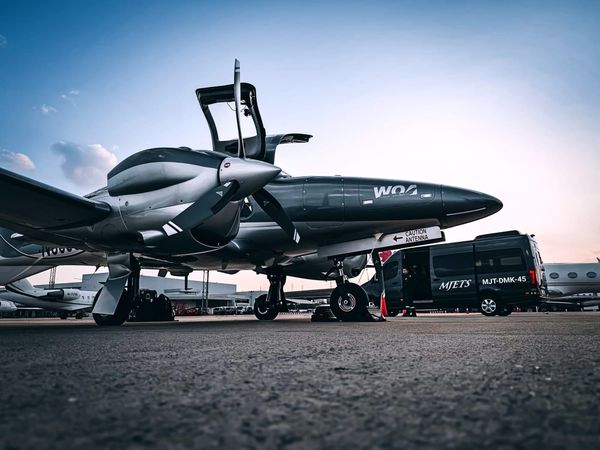
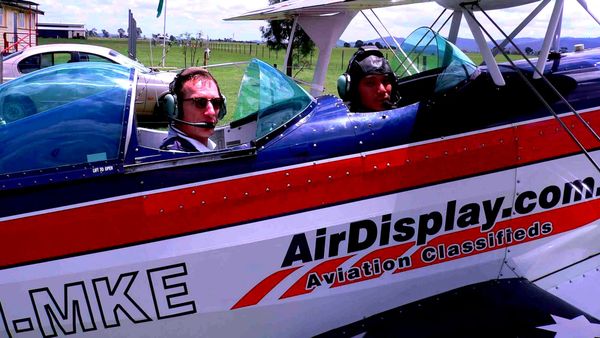
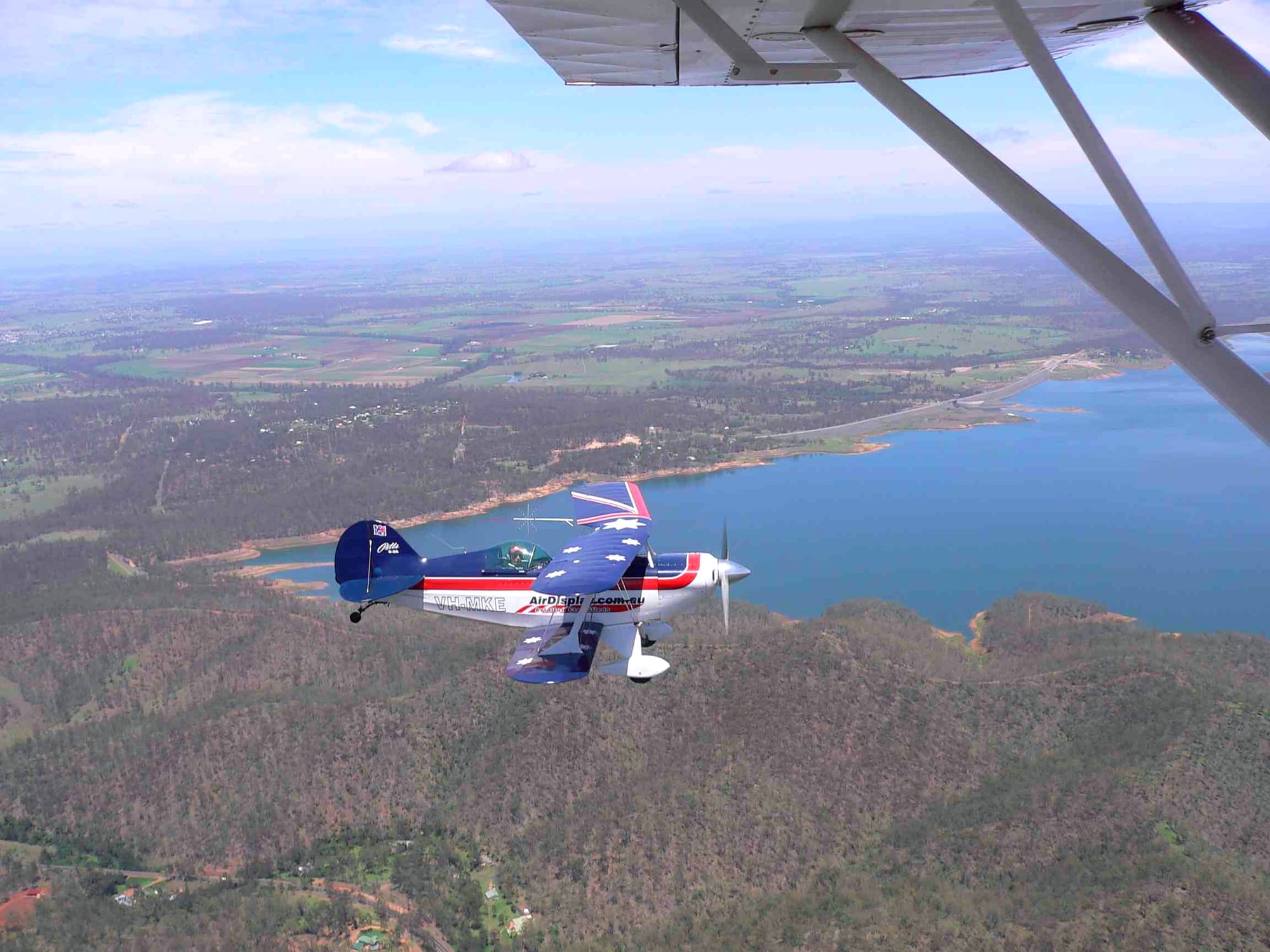
Though sleep deprived after an overnight flight from Singapore, the enthusiastic trio arrived in Brisbane and proceeded straight to Archerfield - Australia’s 2nd busiest GA airport, to prepare their training platforms – a Pitts S2A and a Decathalon 8KCAB. The Pitts S2A was intended for intermediate/advanced training while the Decathalon was ideal for basic/inermediate aerobatics training for the beginners. Mal, our instructor and Tracy, our very kind and hospitable facilitator (and pilot too) has already equipped and packed themselves with communications equipment and logistics support for the week long stint.
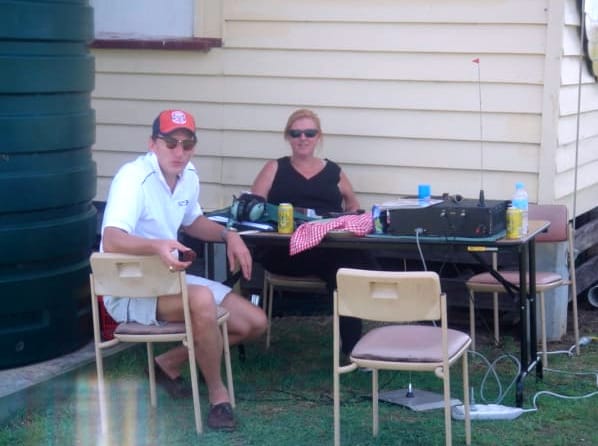
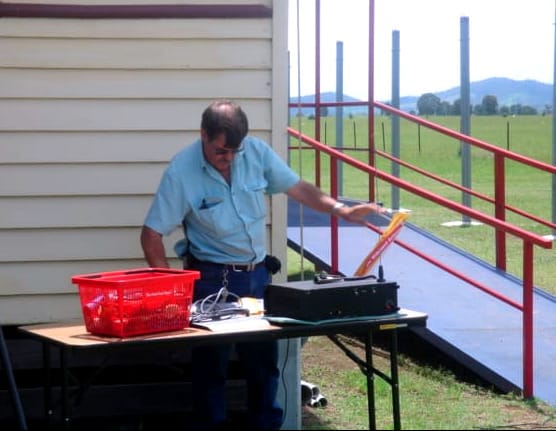
By the end of the day, basic aerobatic concepts, spin recovery briefings and aircraft handling techniques were conscientiously covered over ground-school prior to any flying to ensure sufficient preparation and understanding. Non-stop quizzes and questions from Mal certainly kept us awake from the effects of jet-lag. Guess it was all good training for the mental state of mind, remembering your flying techniques and safety recovery techniques in less than ideal mental condition as it should ideally be second nature anyway.
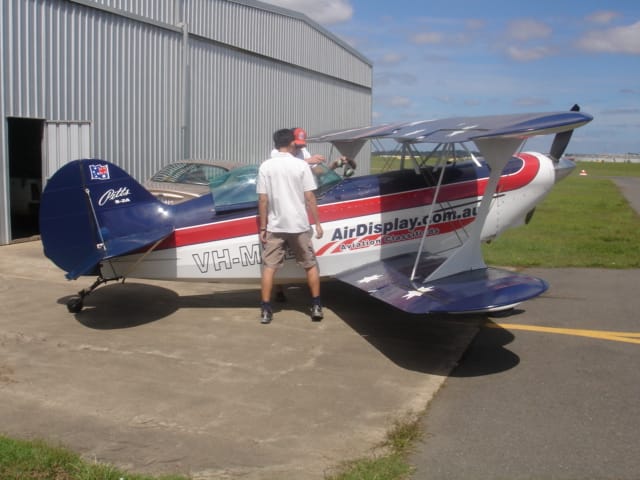
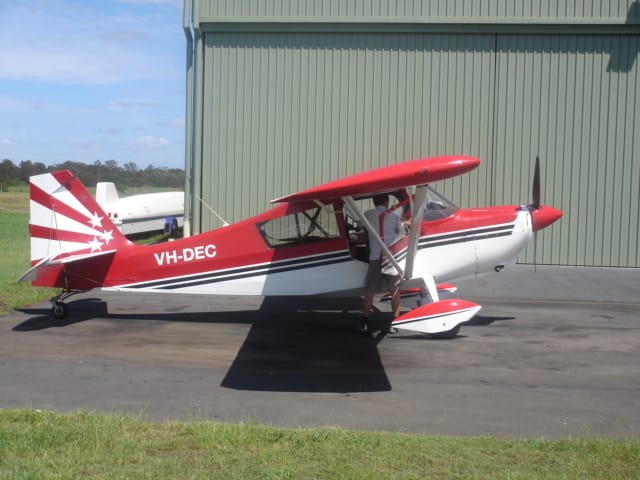
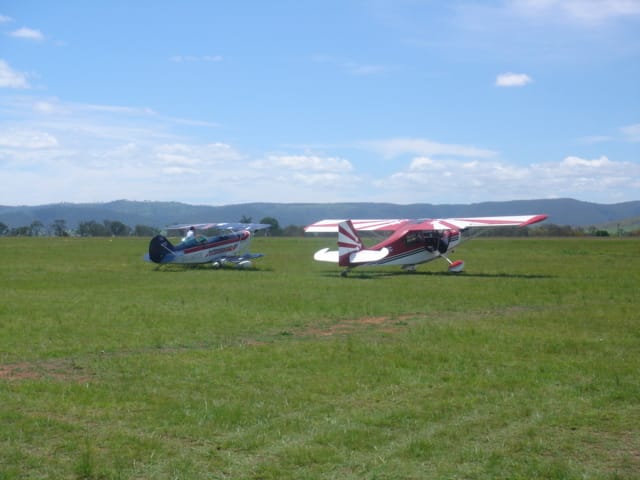
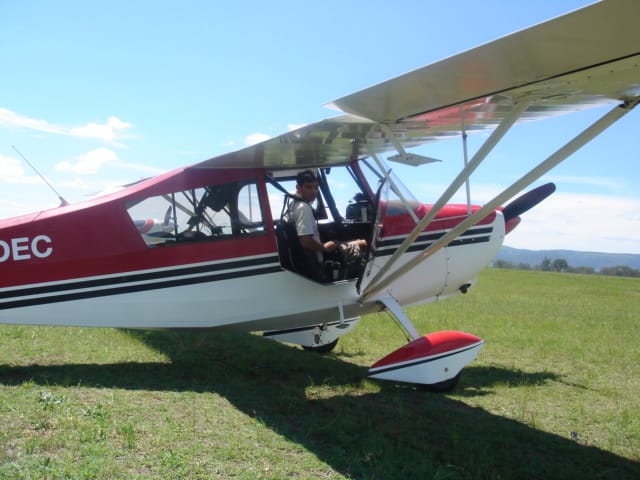
The dawn of day 1 consisted of a 25 min formation flight of the Pitts & Decathalon pair from Archerfield to Wattsbridge airfield north-west of Brisbane where we set up base for a week long intensive training. Wattsbridge airfield consisted of 2 perpendicular grass runways – 30/12 and 03/21 and despite being in the middle of a farm town, receives a lot of traffic from light airplanes stopping over during navigation exercises and cross-countries each day. Andi, the leader of the pack was already an experienced aerobatic pilot who had taken part in prior competitions and had all the endorsements to practice by himself. Hence, he wasted no time in jumping into the Pitts and going about his “sky dancing” routines above the airfield under the watchful eyes of Mal, our instructor whose life-time of experience and a competition pilot and judge allowed him to critic and spot even the smallest mistake from the ground. The rest of us took turns to fly with Mal in the Decathalon to learn the basics of aerobatic flying, getting used to the +/-Gs, unusual attitudes and recovery techniques. Thereafter, proceeding to learning the foundations and technicalities of the various basic maneuvers – rolls, inverted flights, spins, loops, barrel rolls, stall turns, cubans etc with Mal’s patient but disciplined guidance. Falling out of the sky in aerobatic flights can happen anytime hence mastering the ability to recover from unusual attitudes and spin recovery is taught with no compromise until it becomes second nature. Simultaneously, unlike basic private flying training, it is assumed we should have good fundamentals of aircraft handling and thus conventional gear (tail-wheel) aircraft handling techniques was also taught and constantly evaluated in every flight. With each taking turns for a familiarization flight in their respective aircraft type, by dusk, all of us were fully orientated with the training area, flight operations and basic maneuvers to begin the next few days of intensive training on aerobatic maneuvers and practicing the aerobatics sequences.
Mal’s earnest yet grilling questions echoed in my mind – How would you recover from a normal spin? What would you do differently to recover from an inverted spin? What is the different between black out, gray out and red-out, under what circumstances will these occur while in flight and how to you recognize and mitigate the symptoms? These are just a taste of the amount of discipline and self-awareness one must develop in order to conduct unusual flight attitudes safely even when done intentionally for training purposes.
Having ensured we have gotten sufficient orientation and conditioning on mental attitude and safety awareness, the next 2 days consisting of 3 of us working with intensity and concentration on the various stages of our training. Student 1 - an accomplished CFII enrolled as a trainee in the world of aerobatics with the objective of graduating with an endorsement; Student 2 - a bush pilot wanna-be with a basic aerobatic endorsement wanting a refresher on the basics by the expert and to improve to flying solo sequences to competition standards; Student 3- one hard-core enthusiast aiming to be “as one” with the Pitts for his next competition entry at the Australian Championships.
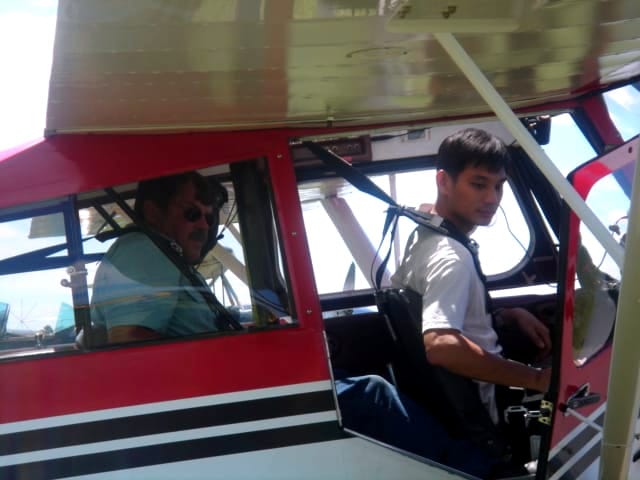
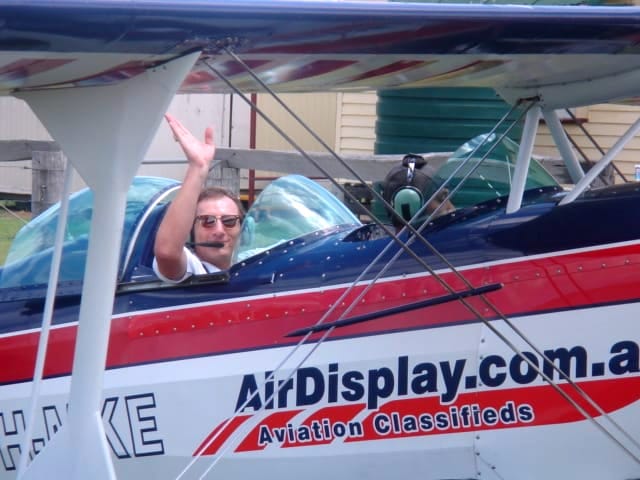
Besides the cozy clubhouse belonging to the Queensland aerobatic chapter, what’s really cool about Wattsbridge location for aerobatics/private pilots is it’s own private “aerobatic box” – a 1km by 1km area where aerobatic sequences are flown within. It is probably one of 2 only known privately available aerobatic box in Australia available for aerobatic pilots who wishes to practice for competitions. The only other place I’m aware of is Parke, New South Wales in outskirts of Sydney where the annual National Aerobatic Championships are held. During competitions, aerobatic sequences must be flown within the perimeter of this 1km by 1km box else demerit points will be given; hence the opportunity to actual have a “real” box (with visual reference markers from the ground below lining the perimeter of the box) vs choosing reference points to create an imaginary box (in most other locations) is quite a privilege that not many clubs have.
As we sunk into the rest of the week, the typical daily routine consists of 2 sorties each of about 30-60mins depending on the intensity of the maneuvers practiced and stamina of the person. Starting from unusual attitude training to get used to the G-forces and the various recovery techniques, we proceeded to practice each individual maneuvers to achieve a certain level of familiarity and proficiency before putting it all together into a sequence of maneuvers. The next step then involves performing the series of maneuvers in within the confines of the aerobatic box.
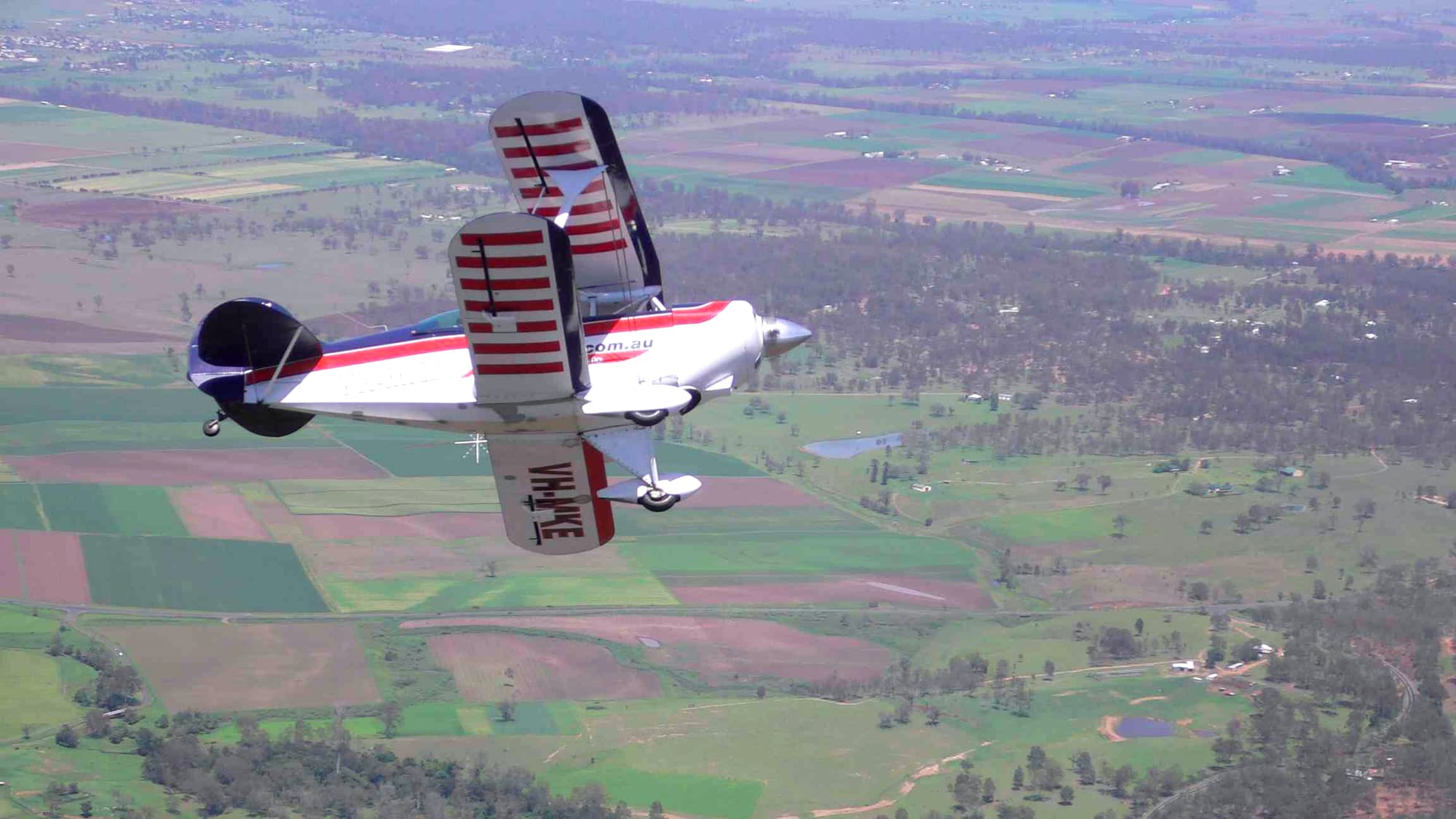
For the 2 of us undergoing the basics of competition aerobatics within the “box”, our training sequence consisted of basic maneuvers that included humpies, competition spins, stall turns, half Cuban, half reverse Cuban, roll-off-the-top and various variations of rolls both upright and inverted, mostly positive-G maneuvers. Andi on the other hand has been regularly practicing over the skies of Malaysia for the past 2 years and he was toning his skills for the intermediate and advanced sequences in the Pitts under Mal’s sharp and expert instructions. Andi’s sequence involved much higher level of proficiency as it consisted also many negative-Gs maneuers as well and transiting between extreme positive and negative Gs within seconds – a physically and mentally demanding routine that comes with practice. The group of us took turns one after another, climbing into our airplanes, heading overhead the box, doing our “stuff” while the rest of the party watched earnestly right below learning from one another’s every move all the way to our tail-wheel landings after every sortie. Depending on maneuvers, typically we start high, 3500-4000ft and as we gain proficiency and safety in our execution (upon Mal’s assessment), he brings us lower and tighter within the box. For Andi, he has already gained low level endorsements under the Australian aerobatic regulations and beyond perfecting the sequence, was also training for proficiency in the position and perspective of the aircraft to the audience in airshow display-like environment. As for myself, Mal applied gradual but healthy input of pressure to bring my solo maneuvers of spins, reverse cubans and roll-off-the-top etc down to lower altitudes of 2000-3000ft under his watchful eyes and guidance to bring me confidence and build up my proficiency for gaining a low level endorsement.
What we’ve come to appreciate through demanding trainings like these from Mal is certainly not the feeling of coming out feeling like a hot-shot maverick, but rather the much in-depth appreciation of stick-and-rudder skills as well as a hands-on deeper understanding of the fundamentals of physics and energy transfer behind flight maneuvers. For me, that brings me closer to feeling the airplane, it’s behaviors and having experienced the extremes of the flight envelop in conventional (i.e. tail-wheel) airplanes like Decathalon and the Pitts, it certainly makes me more sensitive and responsive to the various behaviors of each type of airplane, not to mention increased confidence in aircraft handling. Beyond the technicalities of flying, Mal’s emphasis on airmanship throughout every sortie (even when I’m in the air solo and he’s watching form below) really cultivated in us constant awareness of wind directions, situational and location awareness in all attitudes and altitude awareness. Frankly, how many of us come out of PPL with a good level of proficiency until many hundreds of hours later? Of course, an aerobatic camp doesn’t make one forever proficient, what follows is many years of on-going practice and discipline to “stay in shape”, else we lose what we’ve learnt in no time.
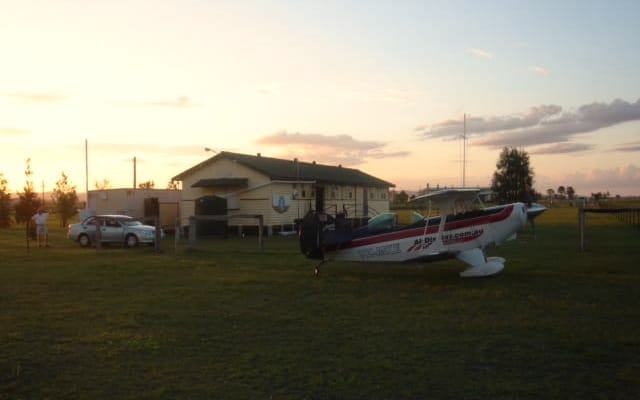
Ok, aside from the seriousness, focus and intensity of the flying training itself, throughout the day, we had fun. Refueling aircrafts together, laughing at each other’s “chicken dance”, making sandwiches, grocery shopping, laughing at each others’ mistakes or just “plane” talking, it certainly makes pretty damn good excuse to get away from work and spending a relaxing few days in the outback.
Our group leader - Andi is not new to the world of aerobatics, an entrepreneur and permanent resident in Singapore, he and his aviator friends – Markus, Dave & Tony, form a Pitts gang of 4 and have all had experiences taking part in aerobatic competitions and displays. Each having their own business either based out of Singapore or Malaysia, in their free time, they can be often seen training over the skies of West Malaysia in their co-owned Pitts S2B. An independent click who just loves to buzz around in high speeds and non-straight and level position; to-date, the team has participated voluntarily in various fly-ins and gatherings in Peninsula including a few air shows performed upon request for sultans and royalties. The most recent large gathering was in Negri Sembilan and larger scale participations included Kota Bahru in April last year where the royal family watched a sequence performed by Andi. Often, we would packed ourselves in a Cheerokee Six from the flying club in Senai and flew in formation with the Pitts to a fly-in event with the PA32 serving as a logistic and back-up aircraft.
Our way of keeping the spirit and passionate of the rare art-form of aerobatic flying alive in South-East Asia!
Share this article Share to
Written by
Join the conversation