
Utsunomiya, Japan | 宇都宫市,日本
In the hands of accomplished Japanese pilots, aviation writer Meng experiences nature at its finest as he soars over Utsunomiya city, snow-capped peaks, scenic lakes and glorious mountain ranges in a nostalgic Aero-Subaru FA200-180.
通过稿人极具才情的飞行员的亲自体验,本文将带你乘坐Aero-斯巴鲁FA200-180飞机翱翔飞跃日本的宇都宫市,领略雪山覆盖的高峰、风景如画的湖泊。
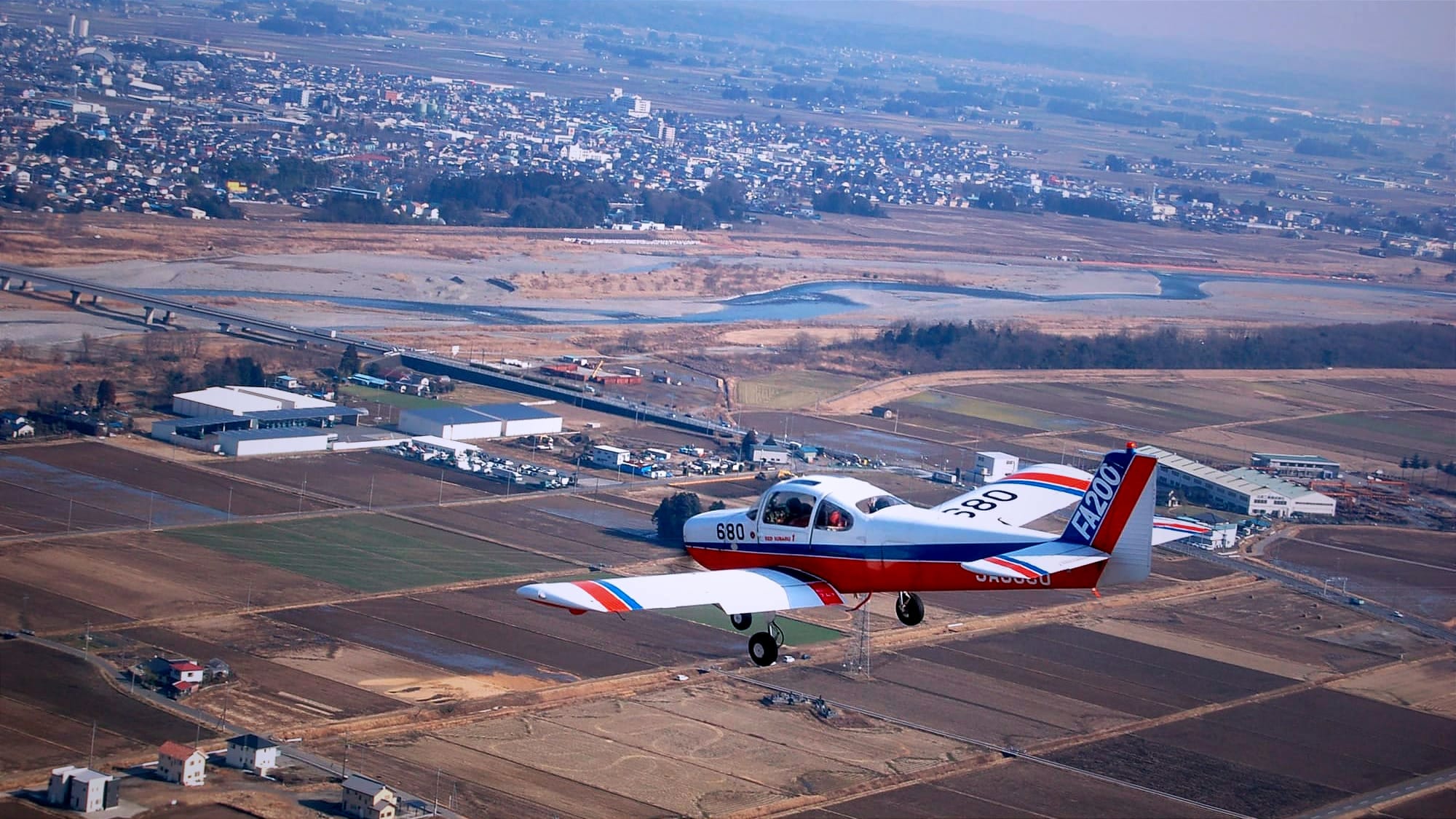
It took my wife and me just under an hour by Shinkansen to get from Tokyo to Utsunomiya, the industrial city of Tochigi Prefecture, which is home to Japanese Industrial powerhouses such as Fuji Heavy Industries, Canon, and Panasonic
Corporation.
We were in Japan to meet Ms Noriko Horikawa who is one of few female GA pilots in Japan. We had never met but she had kindly agreed to an interview for a write-up. Just as we stepped into the waiting area at the Utsunomiya train station, a refined-looking lady approached us and introduced herself as Noriko. In our limited and halting Japanese, we too introduced ourselves. After the customary exchange of polite bows, Noriko-san ushered us to her car and the waiting chauffer. At that moment, we did not realize that we were about to experience an unforgettable adventure.
不到一个小时车程,我和太太搭乘的新干线列车就从东京抵达了枥木 县工业城宇都宫,这里是日本的工业重镇,有很多著名企业,如富士 重工、佳能、松下。
我们此次来日本是为了拜访日本为数不多的通用航空女飞行员之一堀川 纪子女士。虽然之前未曾谋面,但她却非常友好,欣然接受了我们的采访。刚一踏入宇都宫车站的候车区,一位气质优雅的女士就迎了上来,“我是纪子”,她介绍道。我和夫人的日语虽不是很流利,不过入乡随俗,我俩还是用日语介绍了自己。互相礼貌鞠躬后,纪子小姐带我们来到她的车前,司机早已等候在那里。此时,我们还没有意识到即将踏上一段难忘的探险旅程。
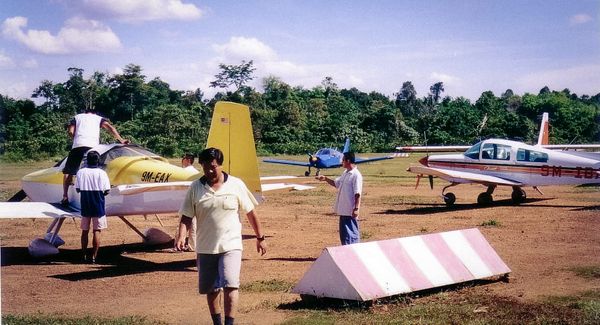
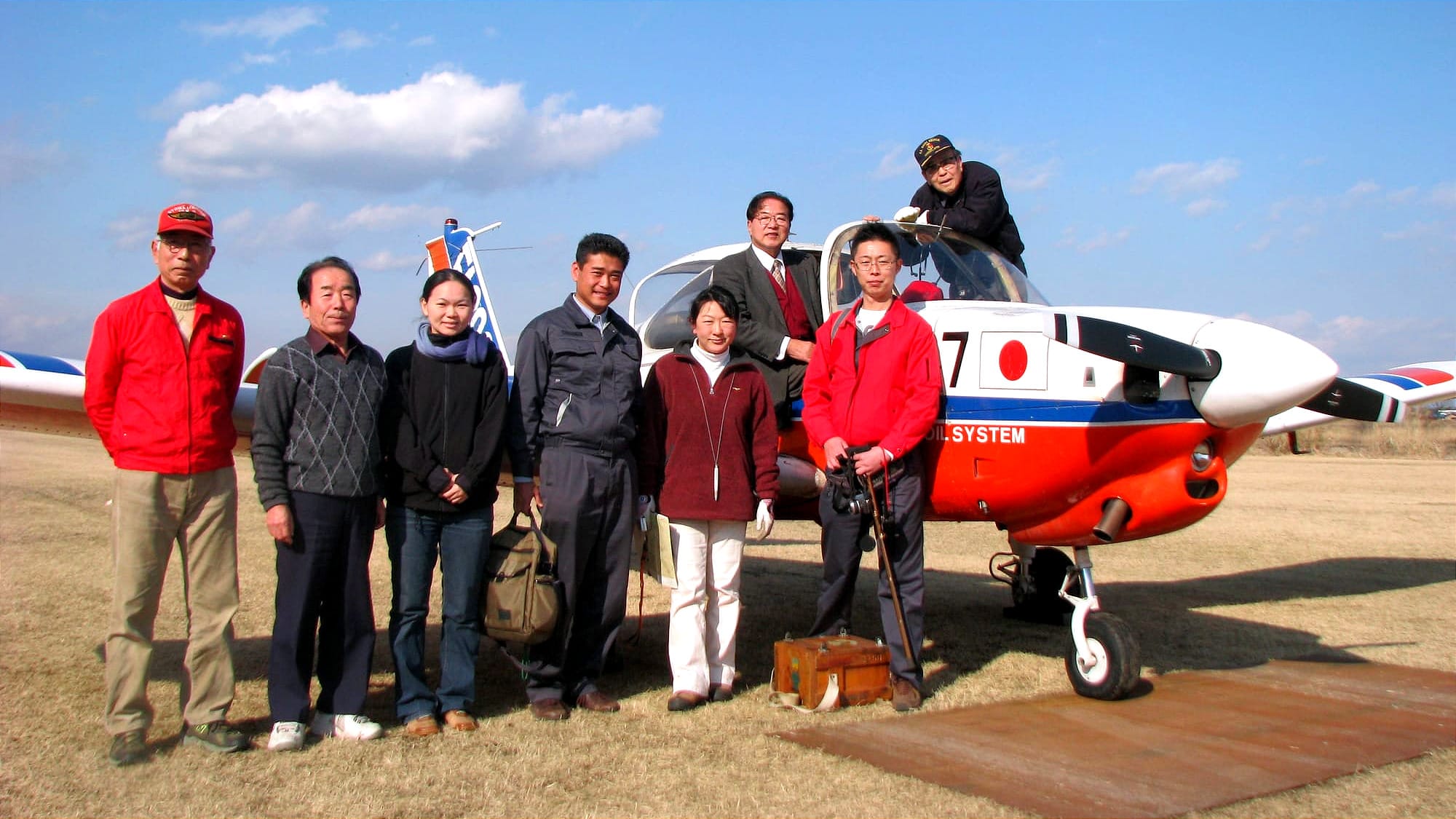
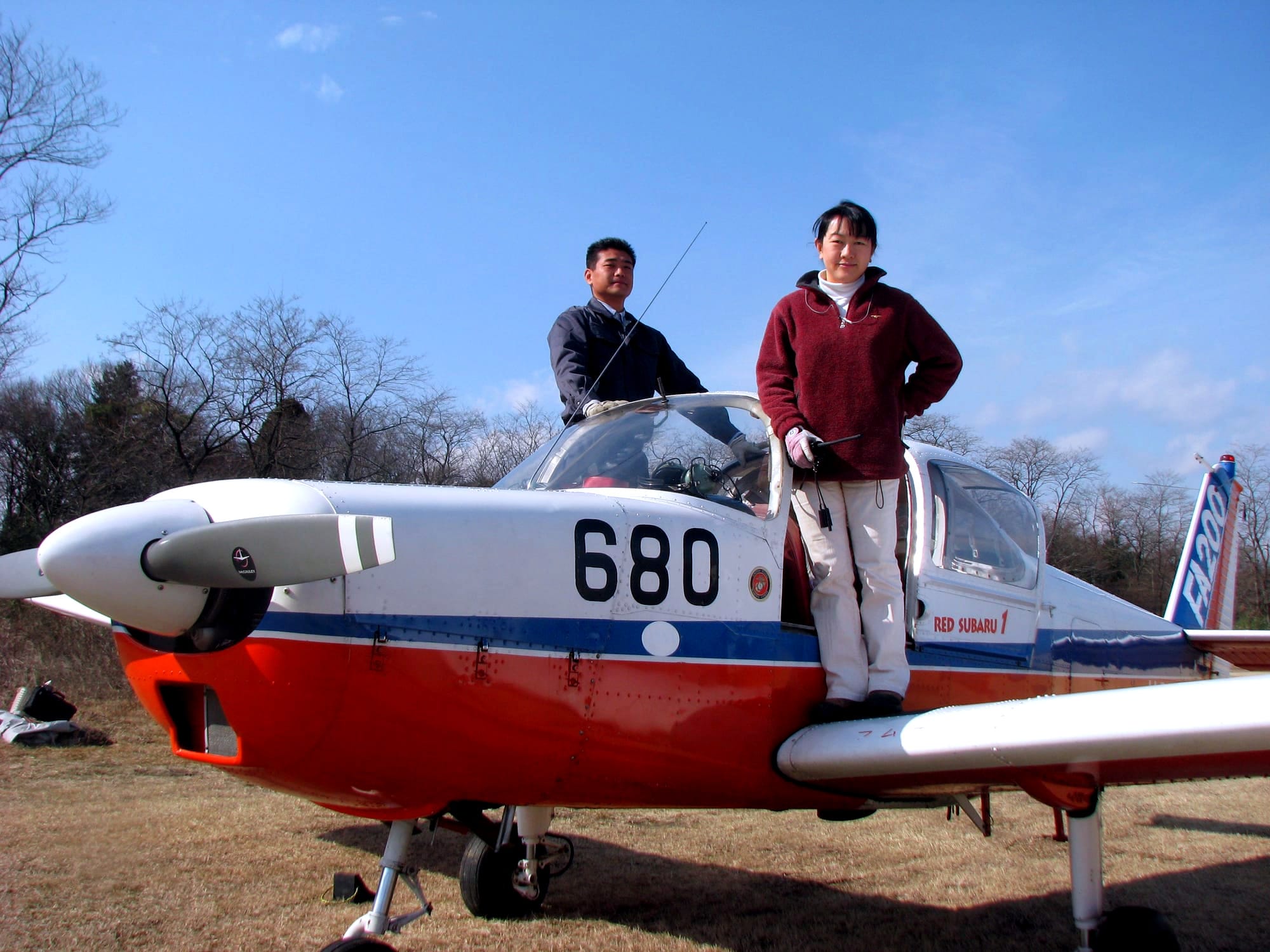
We drove for about 20 minutes before we swerved off the paved road and headed along a spine-grating dirt track. We eventually pulled up by the bank of a wide river - the Kinugawa River. We hopped out of the car and were greeted with a sight that has since been etched in our memories. Along the river was a small private gravel airstrip. A short distance away sat a pair of handsome red Aero-subaru FA-200-180. Parked next to our car was a small van packed with equipment and provisions which suggested a day of picnic. Noriko-san introduced us to a small crowd of family members and friends, many themselves GA pilots. They were here to set up the premises for our flight later in the afternoon. Noriko had decided to show us Utsunomiya from several thousand feet from above and while at it,
treat us to some formation flying.
车子在道路上行驶了约20分钟就转入了崎岖不平的小道。最后我们终于在宽阔的鬼怒川河岸边停下,刚下车,眼前的景象就仿佛将我拉回了似乎遥远的记忆中。
沿着河岸的方向,座落着一个私人小型沙砾跑道。不远处停着两架漂亮的红色Aero-斯巴鲁FA-200-180。在我们旁边停着一辆小型货车,从里面的装备和物品可以看出,它将为我们提供一天的美食。纪子小姐为我们介绍了他的家人和朋友,其中很多都是通航飞行员。他们都是来为下午的飞行做准备的。纪子决定带我们飞上几千英尺的高度,俯瞰宇都宫,并将采用编队飞行。
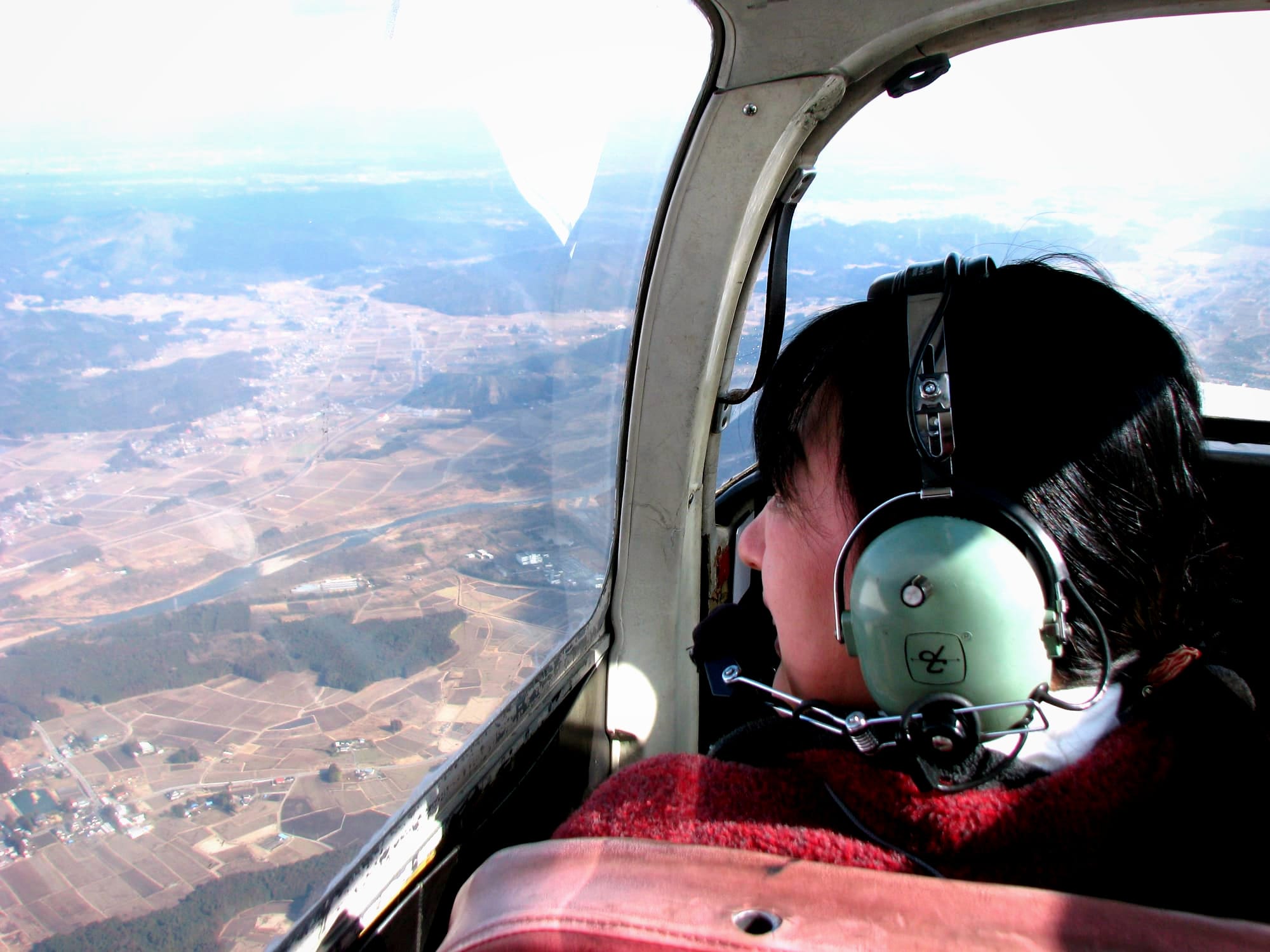
Throughout the flight, the grandeur of nature drove our senses into overdrive and spawned us into another photo-taking frenzy.
整个飞行途中,雄伟壮丽的自然景色使我们应接不暇,不时激起我们的摄影热情
And just as one might expect of Japanese, everyone went about with clockwork
efficiency making the necessary preparations for our flight in the afternoon. The
portable table and foldable chairs were put up, the wind sock erected by tying its pole to a side handle of their van. They then laid on the table an obviously handmade gadget which was to be the flight communications system. We were told Noriko-san’s father had put it together. The rest area would also serve as a makeshift ground communications base. We certainly had not expected such a reception and were frankly very touched by the kindness, not to mention that we were thrilled at the opportunity to participate in a formation flight.
As we sat down to have an early lunch before the flight, we noticed the occasional
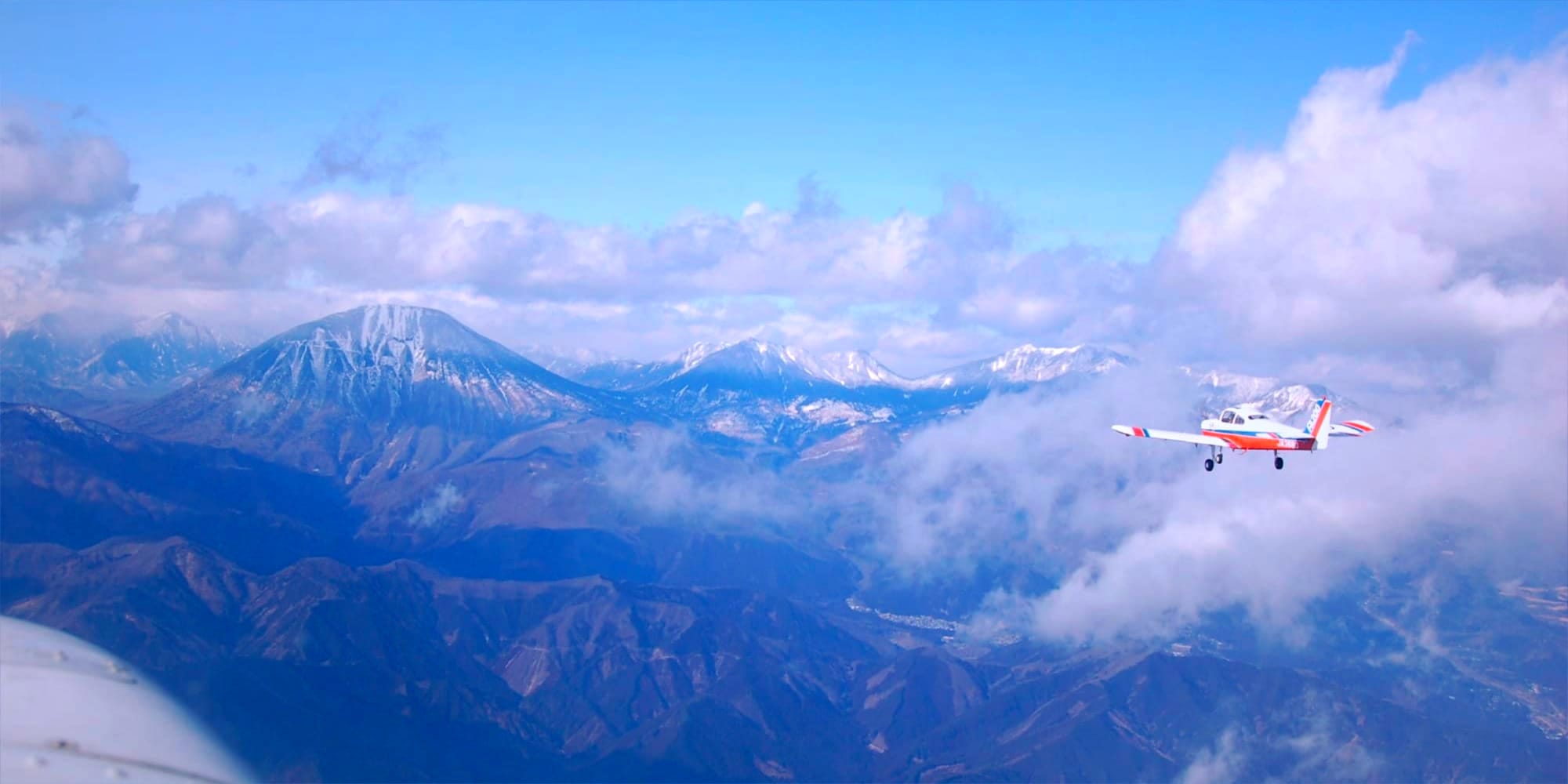
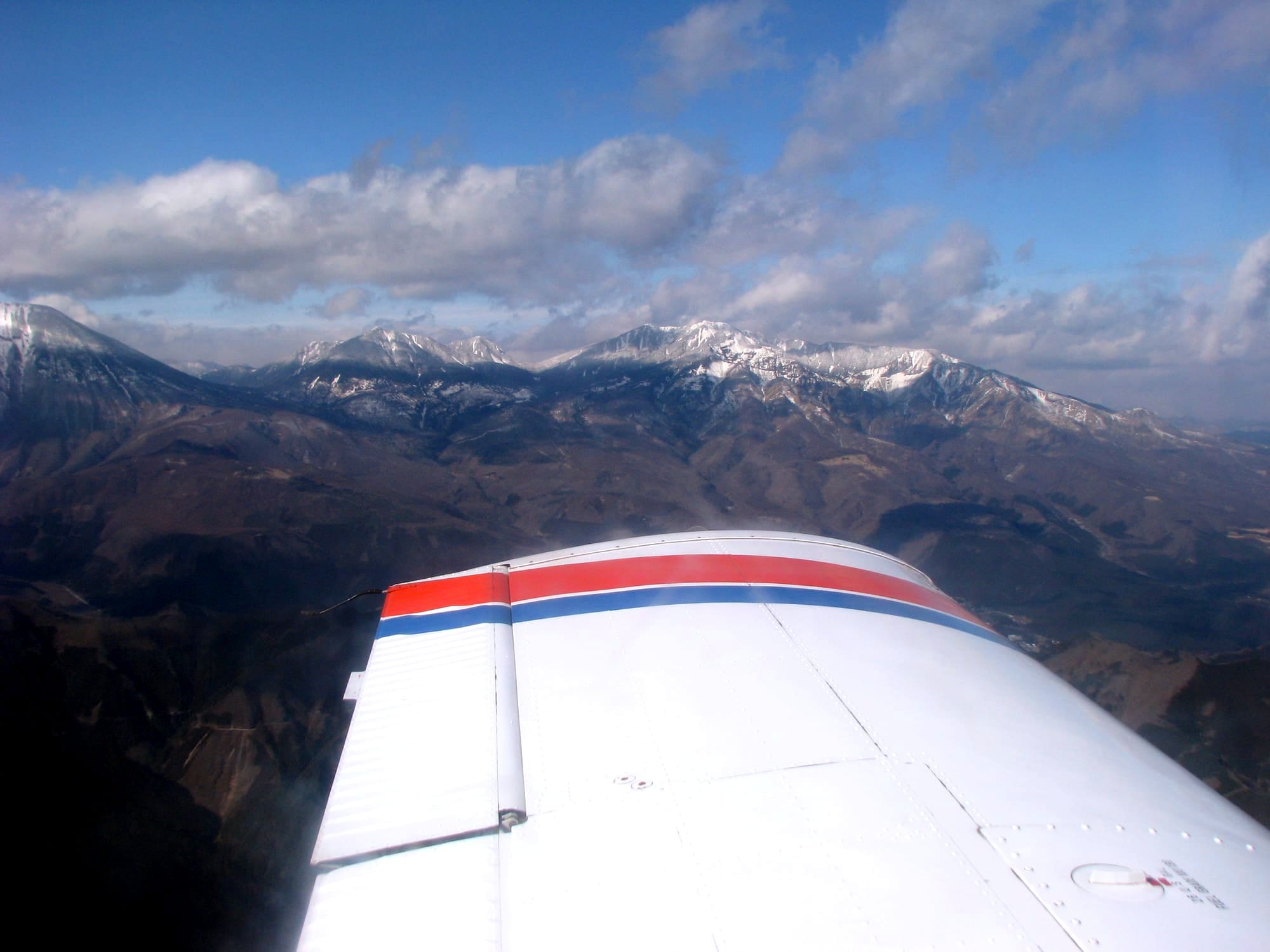
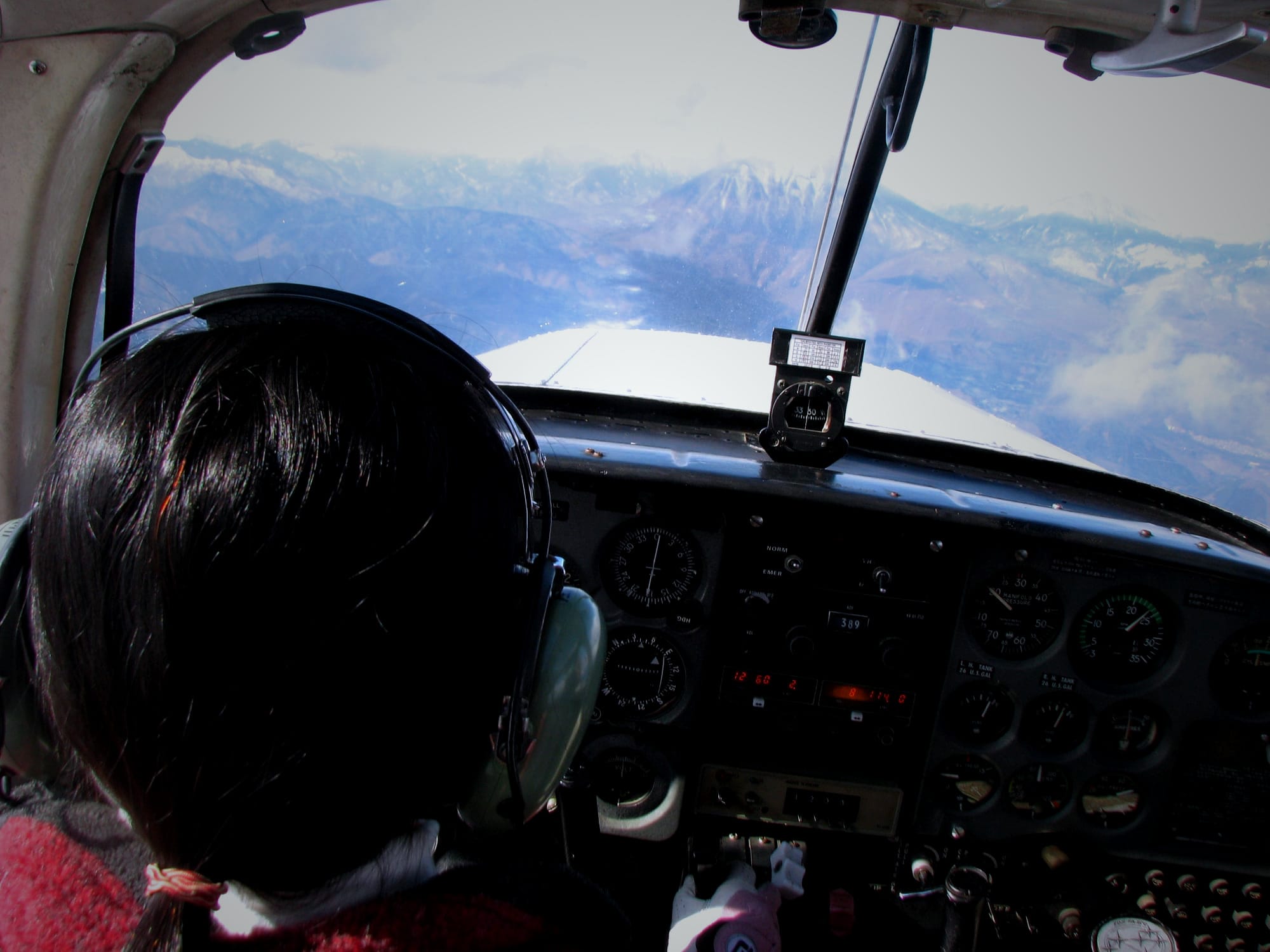
presence of military helicopters in the sky above. I was about to ask why that was so, when Noriko-san’s husband, Koichi Horikawa, as if sensing my unspoken question, explained that there was a Japanese military base nearby and that the helicopters were on training flights. After lunch, we got ready to set off in formation. The weather seemed perfect. The sun was shining and there were just some wisps of cloud. Wife and I went with Noriko-san and Koichi-san in the lead aircraft while Noriko’s Okasan (father) and his long-time friend, whom we learnt was trained as a Kamikaze pilot in his youth, trailed shortly behind on the 1000m gravel airstrip. Upon take off, we climbed gradually and a thousand feet below us, the entire city of Utsunomiya emerged. It was far larger than we had thought but every inch as orderly as we had imagined. Our hosts gave us a brief aerial tour of the city before proceeding northwest towards the snow-capped Nantai-san in the distance.
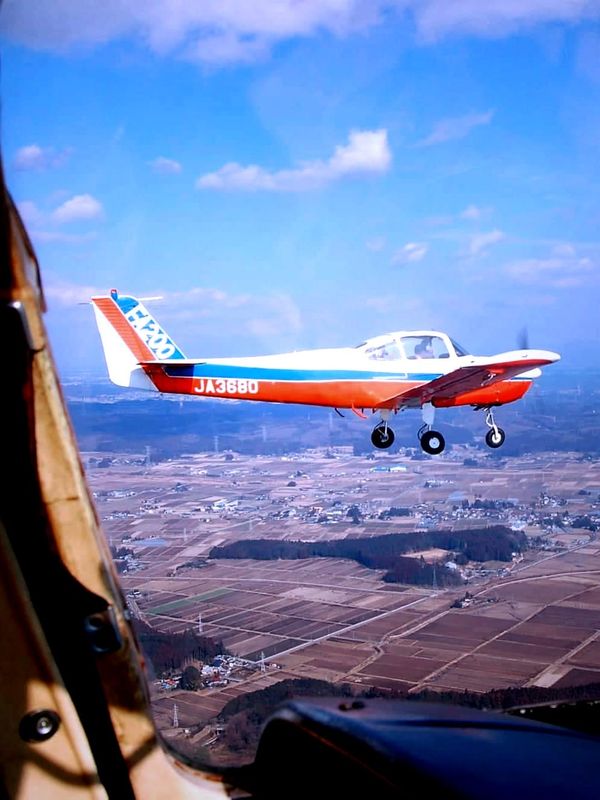
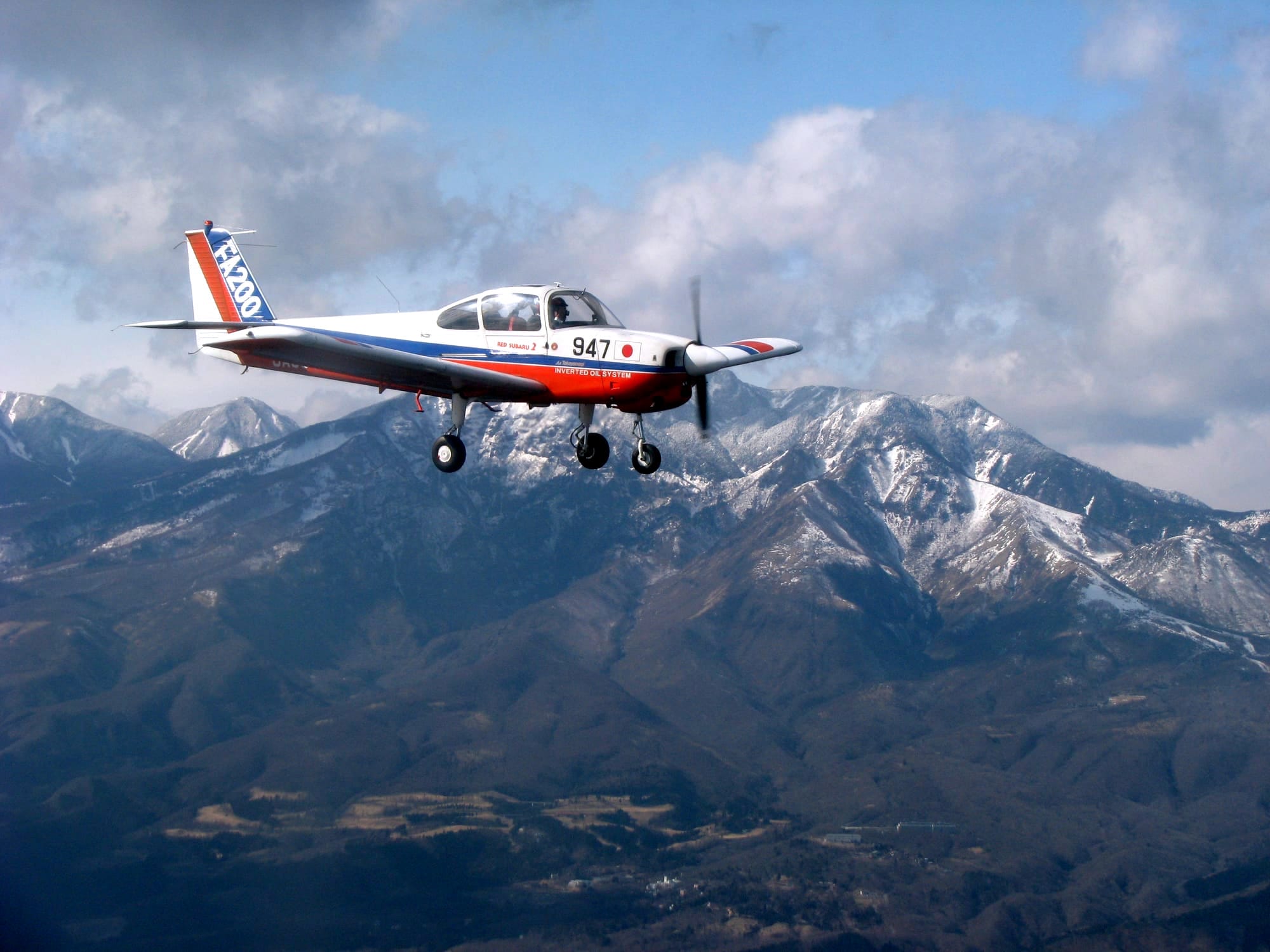
It didn’t take long for us to realize that we were in the company of highly accomplished pilots. Our “wingman” kept pace with us throughout, always slightly behind, sometimes a little above or below, at times on our right, other times on our left, and mirroring our every move. At one point, they approached us slowly from the right and came so close that I could actually see their faces! It was rather unnerving even as I clicked away at our “wingman”.
和我们印象中的日本人一样,每个人都在有条不紊地、高效地为下午的飞行作必要的准备。放好折叠桌、折叠椅,在货车把手插上风向杆。之后,他们在桌上摆了一个显然是手工制作的设备,那就是本次飞行的通信系统了。据说那是纪子小姐的父亲拼装起来的。而剩余的区域也同样是作为地面通信基站。我们从未想到能获得如此款待,完全被他们的友好所感动,更不用说让我们有机会体验编队飞行的激动心情了。
当坐下来享受飞行前的午餐时,我们注意到偶有军用直升机从天空掠过。我正准备问,纪子小姐的丈夫堀川光一好像发觉了我的好奇,解释说附近有一座日本军事基地,这些直升机正在训练。
午餐后,编队飞行的准备已经就绪。天气非常好,眼光明媚,只有几抹薄云。我和夫人与纪子夫妇坐进了本次飞行的长机,而纪子的父亲则带着自己的朋友在1,000米的小型跑道上紧随其后,后来我们了解到纪子父亲的这位朋友年轻时曾受训于神风队。起飞后,我们稳步爬升, 333米下的宇都宫市浮现在眼前。城市比我们想象中要大很多,但每一寸土地都如我们想象一样整齐。纪子夫妇带我们俯瞰了整座城市,之后飞向远方冰雪覆盖的男体山。
不用多久我们就可以感受到这是由技艺高超的飞行员组成的编队,僚机始终与我们保持适当距离,稍微靠后,时高时低,偶尔也时左时右,并且始终与我们同步机动。他们曾慢慢靠近我们,距离很近,我甚至可以看到他们的面容!我在给僚机拍照时已是相当紧张。
As we drew near Nantai-san, we encountered strong mountain winds. Our skilled pilots broke formation and navigated shrewdly, working their way steadily towards the mountain. We eventually got close enough to circle a scenic lake nestled on the slopes of Nantai-san before heading eastwards for Takahara-yama mountain ranges. Throughout the flight, the grandeur of nature drove our senses into overdrive and spawned us into another photo-taking frenzy. But as the proverb goes: “all good things must come to an end”; it was soon time to head back to the airstrip.
Noriko’s father was already an avid pilot more than 30 years ago. He was a pioneering member of the Red Subaru aerobatic team, which performed regularly at aerobatic shows all over Japan, entertaining crowds with its skilful maneuvers in a Pitts Special aircraft. And even though the Red Subaru team no longer flies displays actively, Noriko’s father has not lost the passion for the sport. He has kept the Aero-Subaru he has owned for the past 30 years and recently acquired another to make a pair. These FA-200-180 single engine 4-seater piston-powered airplanes were built by Fuji Heavy industries (yes, the manufacturer of Subaru cars and wings of light jets like the Eclipse 500) and were the first Japanese designed and made light aircrafts to be certified by FAA, on 26 Sep 1967.
Production of the aircraft lasted till 1986 and only a total of 276 were ever built.
It is not surprising that Noriko shares her father’s love for flying. She recalled, as a
young girl of fourteen, taking to the skies with her father who had just bought a plane after obtaining his private pilot licence. The excitement of the flight and the memory of her mother waving a red towel from the roof of their house remained with her even after all these years. But the demand of school and next a nascent career as a technology professional with a Japanese multinational IT company kept her from earning her wings. It was only much later in her life that Noriko managed to obtain her own private pilot license in Japan.
在接近男体山时,我们遇到了很强的山风。技术娴熟的飞行员很快解散了编队,操作自如,非常平稳地朝山的方向飞去。我们最终飞到了男体山一侧景色优美的湖边,我们尽可能地靠近盘旋,之后我们向东飞向高原山脉。整个飞行途中,雄伟壮丽的自然景色使我们应接不暇,不时激起我们的摄影热情。
俗话说,“天下没有不散的宴席”;没多久我们就要返回机场了。
纪子的父亲早在三十多年前就已是非常优秀的飞行员。他是红色斯巴鲁特技飞行队的领军人物,他们在日本各地经常组织特技表演。驾驶着Pitts特技飞机为观众们献上了很多精彩的空中表演。
虽然红色斯巴鲁特技表演队已不再活跃,但纪子的父亲却没有失去对这项运动的热情。他保留了这架已拥有了30年的Aero-斯巴鲁,并且最近又买了一架组成双机编队。这款四座单发活塞型FA-200-180飞机由富士重工(正是斯巴鲁汽车和轻型喷气机Eclipse500机翼的生产商)制造, FAA于1976年9月26日对此机型进行了认证,使之成为FAA认证的首批日本设计制造的轻型飞机。该飞机的生产一直持续到1986年,总共只生产了276架。
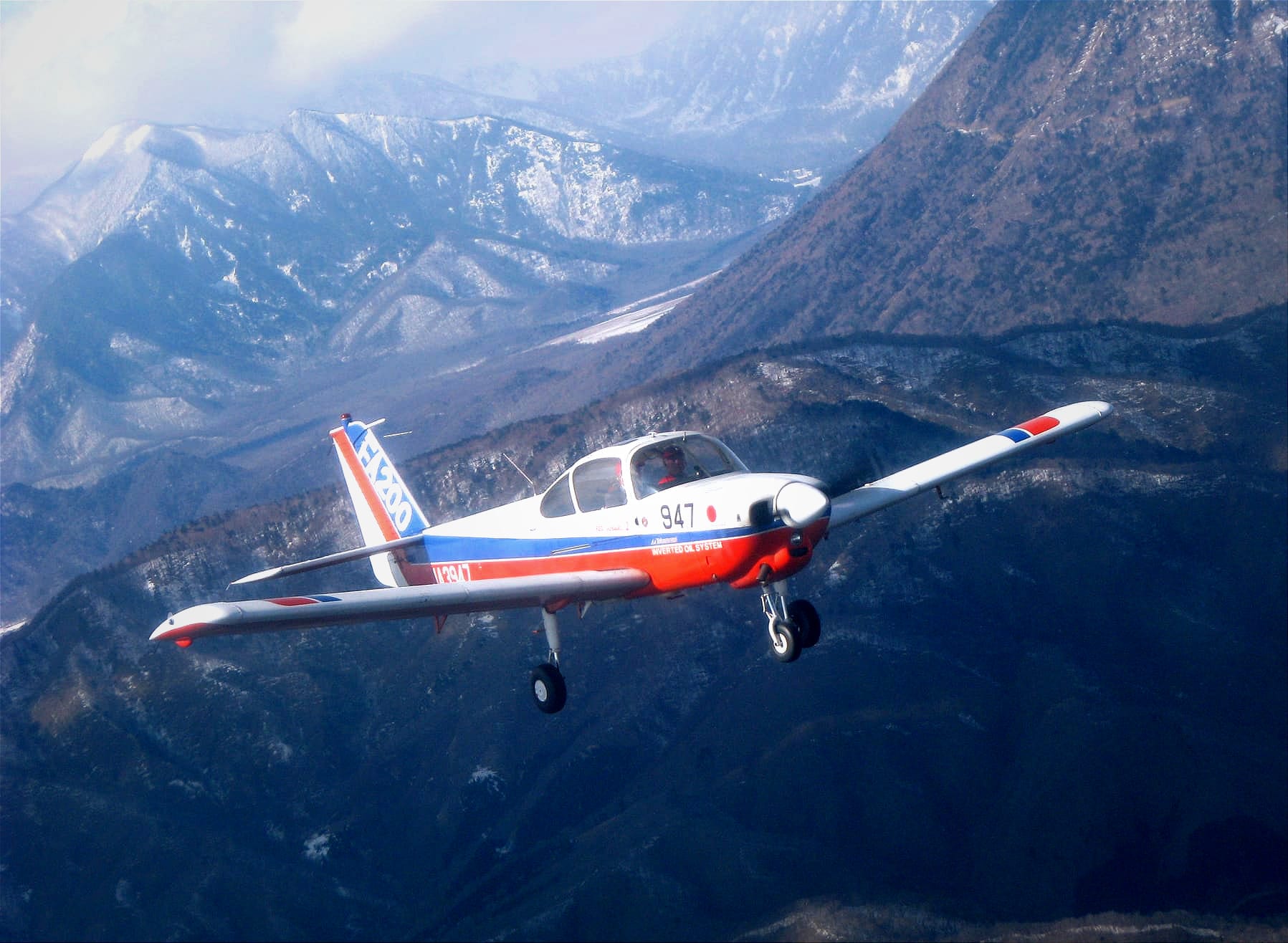
Noriko learned to fly in her dad’s beloved Aero Subaru FA200 at Onishi airfield in
Gunma prefecture, which unfortunately has now closed. Upon obtaining her Japanese licence, Noriko went on to obtain a US FAA private licence certificate. Outside of Japan, she has flown in California, Nevada, Arizona in the USA and Korea. Recently, Noriko-san left the corporate world to help run her family businesses. But, despite the hectic work schedule, Noriko and her family always find time for weekend leisure flights over the skies of Kanto region.
In Japan, recreational flying has its challenges. Airports are not always readily accessible and the cost of flying can be prohibitive – it costs about four times as much to fly in Japan as to fly in the USA. When Onishi closed, Noriko and her family flew out of Honda airport, but in October 2008, managed to acquire the rights to fly out of Kunigawa airfield. The effort involved may seem tremendous, but for the countless hours of fun and joy these flights have brought to the family, it was a small price to pay.
非常自然,纪子小姐同父亲一样热爱飞行。她回忆说,父亲刚获得私人飞行执照就买了一架飞机, 14岁时她便和父亲一起飞上蓝天。飞行的兴奋和母亲在自家屋顶向他们招手的场景,虽时隔多年仍记忆犹新。
但是,学业的压力以及后来她在跨国IT公司的技术工作,都成了她展翅飞翔的障碍。直到后来,纪子才取得了日本私人飞行执照。在群马县大西机场(很可惜,该机场现已关闭),纪子用父亲心爱的Aero-斯巴鲁 FA200学习飞行。获得日本的私照后,纪子还考取了美国FAA私照。除了日本,她还在美国加州、内华达、亚利桑那及韩国飞行过。最近,纪子离开了公司,转而经营家族生意。虽然工作非常繁忙,纪子和家人总能找到时间,周末在关东的天空中自由飞翔。
在日本,娱乐飞行面临诸多限制。机场并非随时可用,而飞行成本也让人们忘而却步——日本的飞行成本大约是美国的四倍。大西机场关闭后,纪子及其家人在本田机场飞行,不过到2008年10月,他们终于获得了鬼怒川机场使用权。为此,他们付出了很多心血,但比起飞行带给家人的无数快乐时光,这些代价显得微不足道。
Share this article Share to
Written by
Join the conversation